When Craft Creates Opportunity: Inside Together for Umi’s Growing Network of Mothers in Jordan
Feature |
Alfanar |
2026-04-02
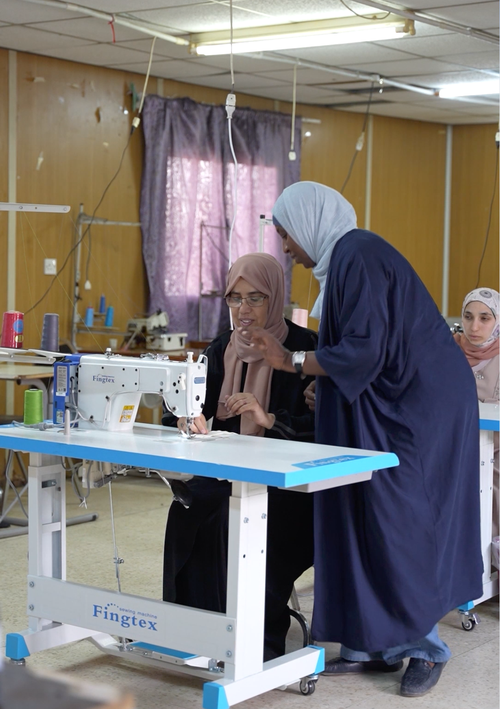
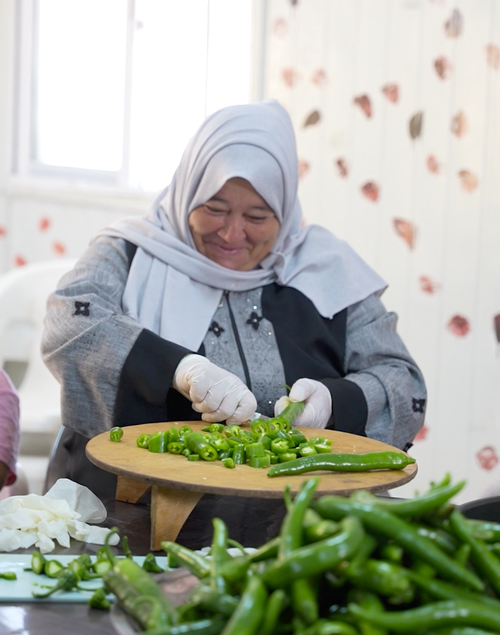
Across Jordan, Together for Umi is building a production network of mothers creating eco-friendly, handcrafted products that generate reliable income. What began with just four products has grown into a collection of more than fifty handcrafted items, produced by women from underserved areas across the country – particularly refugees and those unable to work outside the home. Alongside this, Umi provides income generating opportunities for mothers as home-based cooks, with meals distributed to over 3000+ people across two Palestinian refugee camps.
In 2025, Umi joined Alfanar’s SEED programme, where early-stage enterprises receive funding, training and hands-on management support to strengthen their business models.
During the programme, the team focused on expanding its product line, strengthening production systems, and increasing the number of mothers engaged in income-generating opportunities . As a result, 272 mothers received vocational training last year, with 44 now earning through production and reporting an average 45% increase in income.
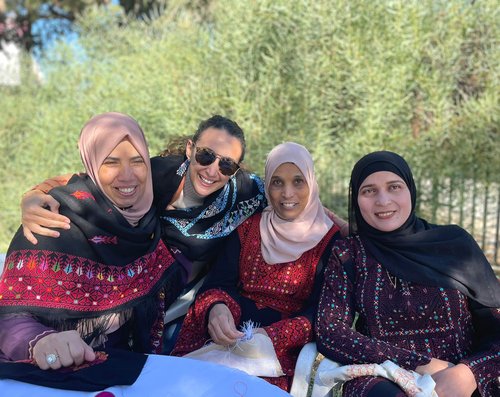
Dala Saoudi, Founder & CEO of Together for Umi, shared: “Alfanar has been a great support for us, helping us to provide trainings to strengthen the women’s ability and skills so they can become active members of society and find employment.”
Building on this progress, Together for Umi is now entering the SUSTAIN phase of support through Impact Europe’s Impact Together! programme, funded by the European Union.
This next stage will focus on scaling the model and expanding its impact, reflected by a growing number of mothers engaged in income-generating activities, and a substantial increase in the income generated for women. Umi will also be focused on continuing skills training and community support initiatives, including meal distribution, to support mothers as well as the wider community.
For women balancing caregiving responsibilities with limited employment opportunities, flexible production models like Umi’s offer a practical pathway to income. Enterprises like Umi show how locally led businesses can translate craft, skills and community networks into sustainable economic opportunity.